Greenwashing in Homebuilding: How to Ask the Right Questions
If you’ve shopped for a new home recently, you’ve probably seen the words healthy, sustainable, and environmentally friendly plastered all over builder websites and brochures. These are powerful claims, and who wouldn’t want a home that’s better for your family and the planet?
The problem is, many national builders throw around these buzzwords without doing the hard work to back them up. This is a classic case of greenwashing: marketing something as green when it’s only partially true.
The Greenwashing Example: MERV 13 Filters and Spray Foam
Recently, I saw a builder touting their homes as “healthy and sustainable” because they install MERV 13 filters into traditional air conditioners, and use spray foam insulation. Both of those are good features:
- MERV 13 filters capture small particles like pollen, dust, mold spores, and even some bacteria.
- Spray foam insulation improves energy efficiency by sealing leaks and maintaining consistent indoor temperatures.
But here’s the catch: a filter and foam don’t make a home truly healthy or sustainable. They’re just two small pieces of a much bigger puzzle.
What a Truly Sustainable Builder Should Do
A builder who is serious about health and sustainability will talk about layers of protection and performance, not just one or two products. Look for:
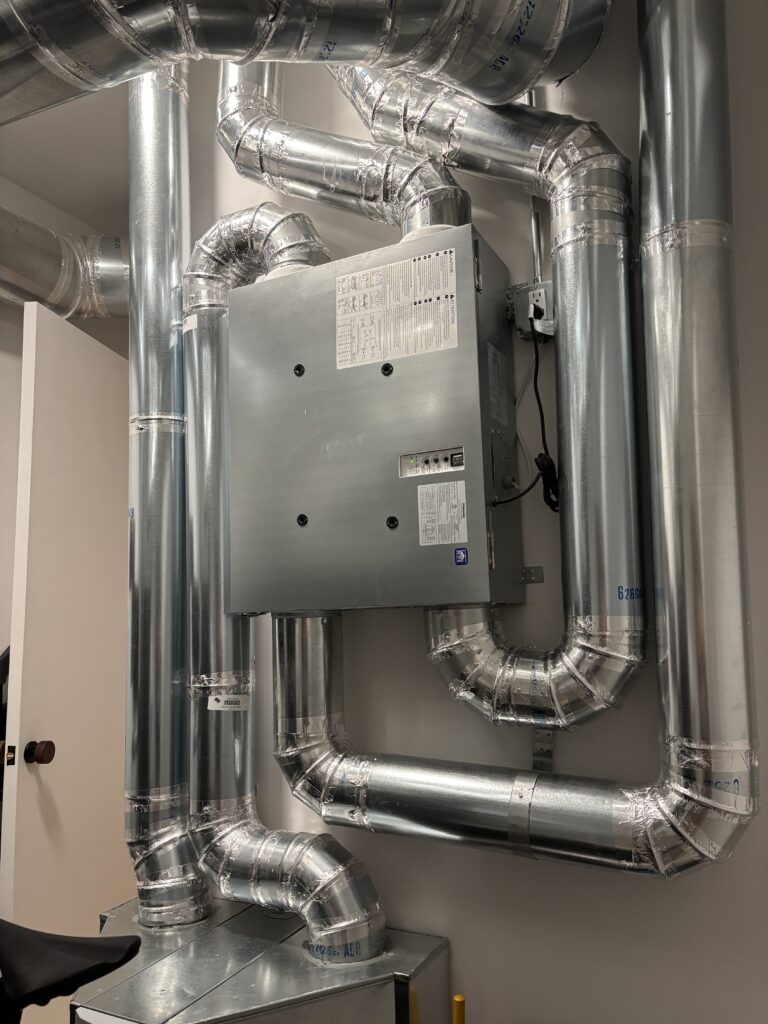
- Ventilation systems (ERVs or HRVs) that bring in filtered fresh air while controlling humidity.
- Low-VOC materials like paints, flooring, and cabinetry to minimize chemical exposure.
- Moisture management through proper flashing, drainage, and smart insulation choices.
- Right-sized HVAC systems that handle both comfort and humidity.
- Energy certifications like Energy Star, LEED, Passive House, or DOE Zero Energy Ready.
- Third-party testing (blower door tests, HERS ratings) to prove performance.
Questions to Ask a Builder
On Indoor Air Quality
- How do you bring in fresh air — do you install ERVs/HRVs or just rely on leaks?
- Beyond MERV 13 filters, what do you do about VOCs from paints, flooring, and cabinetry?
- How is humidity controlled to prevent mold?
On Materials & Construction
- Beyond spray foam, what eco-friendly materials do you use?
- Do you use low-VOC adhesives, sealants, and finishes?
- How do you build for durability and reduced waste?
On Energy & Water
- What certifications do your homes meet?
- Do you test performance with blower door or HERS ratings?
- Are homes solar-ready or pre-wired? Do you provide an EV car charger or pre-wiring?
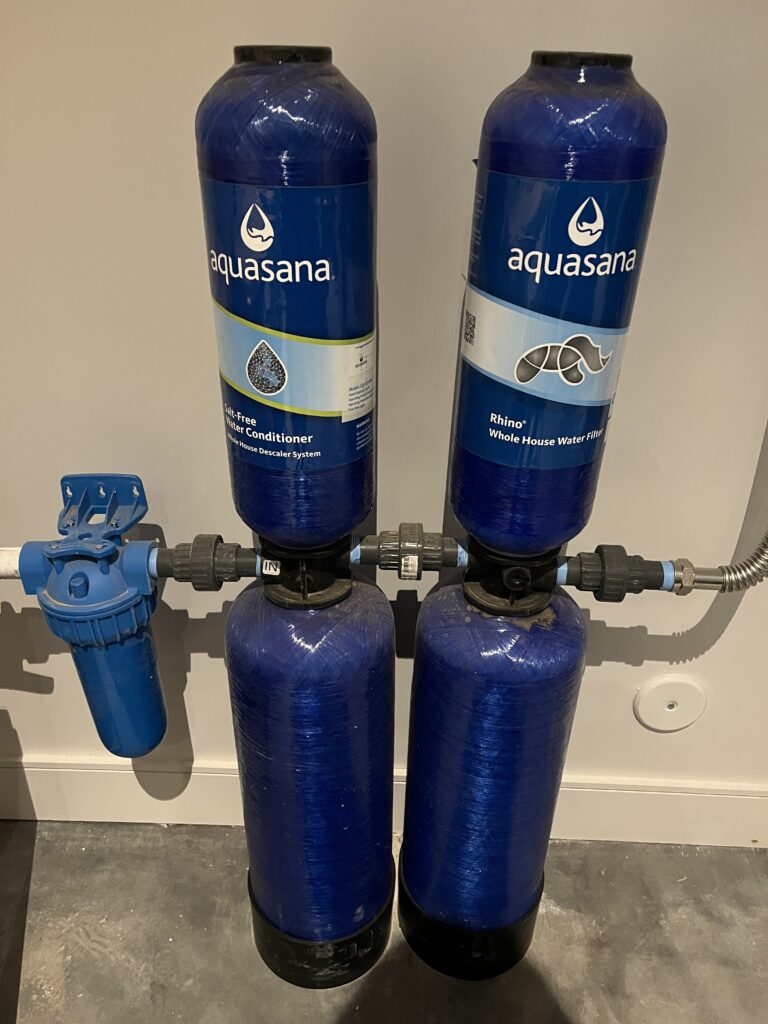
- Do you use WaterSense fixtures and design for water conservation? Do you install whole home water filtration?
On Windows
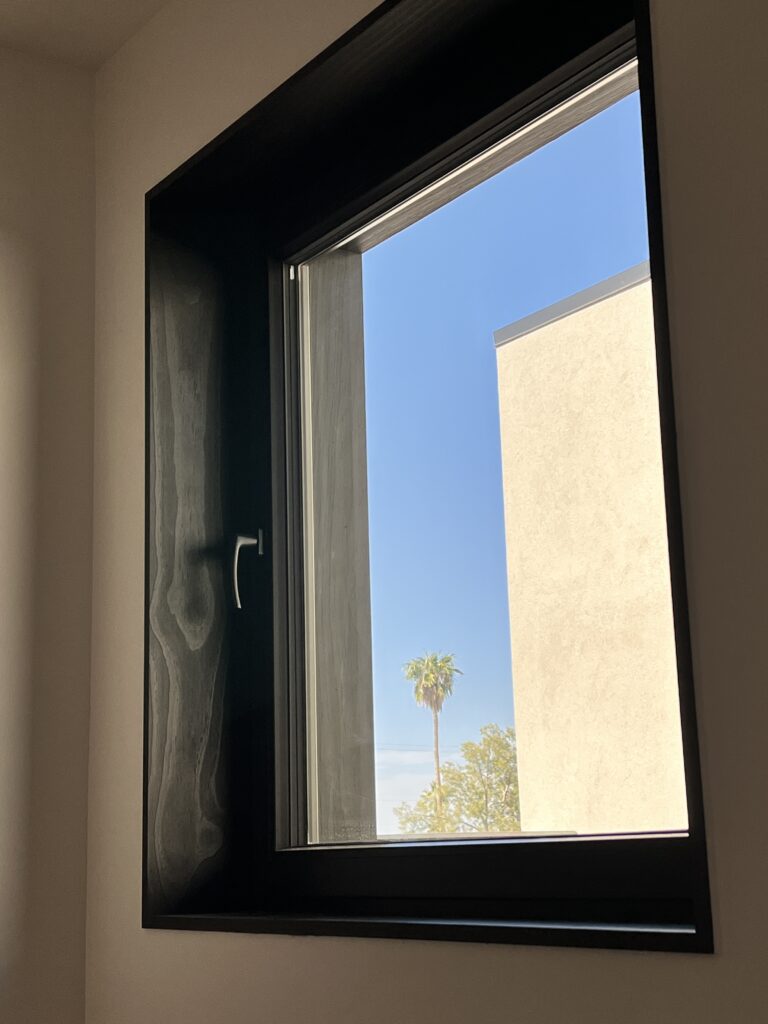
- Energy Efficiency: Triple-pane, well-sealed windows dramatically reduce heat gain in hot climates and heat loss in cold climates.
- Comfort: They help eliminate drafts, condensation, and hot/cold zones near glass walls.
- Noise Reduction: Quality frames and glazing cut down on outside noise.
- Durability: Proper installation and sealing prevent water leaks and mold.
What to ask:
- What type of windows do you install — double-pane or triple-pane?
- How are they sealed and flashed to prevent leaks?
- What’s the U-factor and Solar Heat Gain Coefficient (SHGC)?
- Do the frames include thermal breaks (insulated barriers inside aluminum frames) to stop heat transfer?
- Are the windows rated and tested for this climate?
Windows are one of the most critical features in a sustainable home — and one of the easiest places for builders to cut corners. Poor-quality windows can undo all the benefits of good insulation or HVAC design.
How Builders Answer Matters
When you ask these questions, pay attention to how they respond.
✅ A strong answer will mention balanced ventilation, durable materials, water management, right-sized HVAC, high-performance windows, and third-party certifications.
🚩 A red flag answer will sound vague, overconfident, or product-focused, like:
- “Our spray foam stops mold by itself.”
- “The AC takes care of humidity.”
- “We’ve never had a mold problem.”
- “We use MERV 13 filters, so the air is clean.”
- “We install energy-efficient windows,” without numbers or details.
Strong builders explain systems; greenwashing builders sell single products.
Final Thoughts
Don’t let a shiny brochure convince you that one filter, one insulation type, or one kind of window makes a home healthy or sustainable. A truly green home is about integration — systems working together to keep your indoor air clean, your energy use low, and your home resilient over time.
The good news? When you ask the right questions, you’ll quickly see who’s walking the walk and who’s just marketing.