What is Cross-Laminated Timber (CLT) and Why is it Important
Cross-laminated timber—often called CLT—is one of the most exciting building materials to show up in residential design in years. It offers the strength of concrete, the warmth of wood, and the sustainability that today’s homeowners and designers want. The good news? You don’t need to be an architect or an engineer to understand it.
Here’s what makes CLT worth knowing about, especially if you care about healthier, more sustainable homes.
What Exactly Is Cross-Laminated Timber?
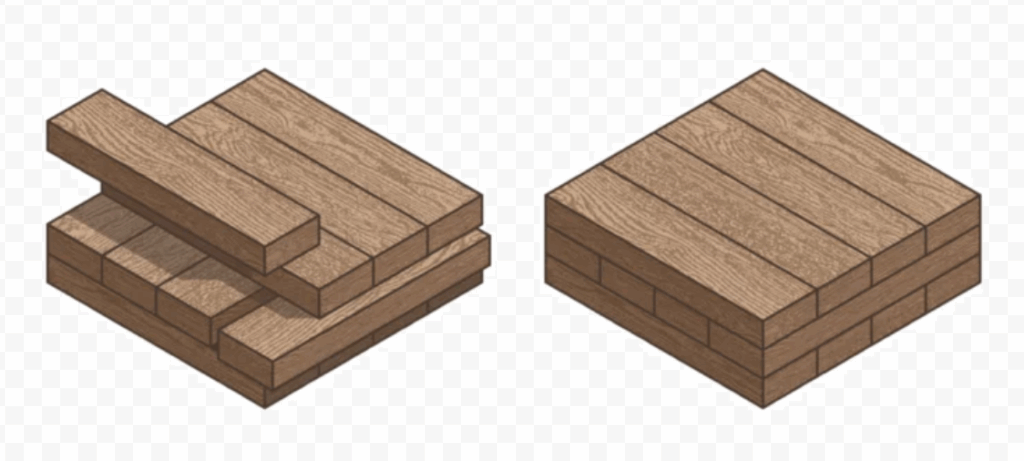
CLT is made by stacking layers of solid lumber boards on top of each other, with each layer running in a different direction. The layers are bonded under pressure to create large, strong, stable panels.
If you think of plywood, you’re on the right track—CLT is the same idea, but on a much bigger, more structural scale. These panels can be used for floors, walls, and roofs in both residential and commercial buildings.
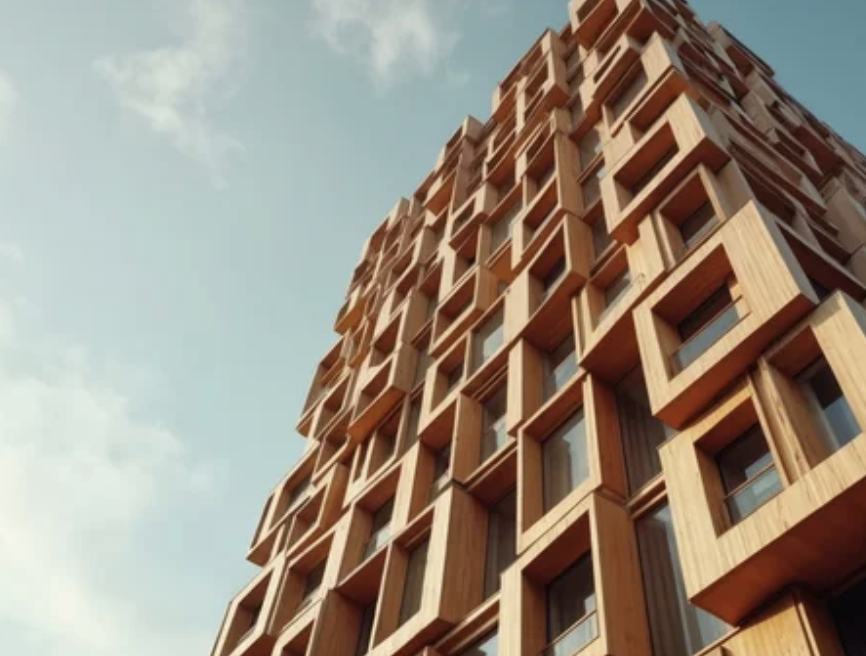
Most important for designers and homeowners: the inside surface can be left exposed, giving rooms a warm, natural feel that pairs beautifully with modern and Scandinavian-inspired design.
A Note About Adhesives and Indoor Air Quality
Because CLT is made by laminating layers of wood together, adhesives are part of the product. Many manufacturers now use low-VOC or formaldehyde-free adhesives, but products can vary. If you’re exploring CLT for a residential project, it’s worth asking the manufacturer or builder which adhesives are used and whether they meet low-emission standards. This simple step supports cleaner indoor air—especially valuable in tightly sealed, high-performance homes where air quality matters just as much as energy efficiency.
Why Designers and Homeowners Are Paying Attention
It’s Strong, Quiet, and Stable
The cross-laminated pattern makes CLT incredibly solid. It resists warping and won’t twist the way traditional lumber sometimes does. Floors feel substantial, and walls stay straight and quiet.
It Supports a Healthier Indoor Environment
Beyond adhesive choices, CLT naturally supports a calm, comfortable interior. When left exposed, it reduces the amount of drywall, paint, and other finishes needed—often lowering the overall chemical load inside the home.
It Creates Beautiful, Warm Interiors
One of the biggest advantages is aesthetic. Exposed CLT has a clean, modern look that designers love. It creates an organic, natural backdrop that works well with minimalist, Scandinavian, and desert-modern styles.
It’s Fast to Build With
CLT panels are prefabricated with a high level of precision. They arrive ready to install, which means fewer days of noise, dust, and disruption. For homeowners living near construction—and designers managing timelines—this makes a meaningful difference.
It’s a Lower-Carbon Alternative
Wood stores carbon, and manufacturing CLT typically creates far fewer emissions than concrete or steel. For anyone prioritizing sustainability, CLT offers a way to reduce the impact of construction while still delivering a strong, durable structure.
It Performs Surprisingly Well in Fire
Thick timber reacts differently to fire than many people expect. The outside layer chars and protects the inner layers, slowing the burn. In many tests, CLT performs better than unprotected steel.
Is CLT the Same as Mass Timber?
Not exactly. Mass timber is the broader category that includes several types of engineered wood products—glulam beams, nail-laminated timber, mass plywood, and CLT.
CLT is one specific type of mass timber. It’s the version used for large wall, floor, and roof panels, which is why it’s getting so much attention.
Where You’re Likely to See CLT Next
While CLT started in commercial and multifamily projects, it’s showing up in more residential work every year, including:
- custom homes
- accessory dwelling units
- modern cabins
- sustainable renovations
- passive and high-performance homes
For designers, CLT opens up new options—both aesthetic and environmental. For homeowners, it offers a way to build cleaner, faster, and with a smaller carbon footprint.
If you’re exploring healthier, more sustainable construction or want materials that support both performance and beauty, CLT is a category worth watching.